Guide
Ai image animatorFree ai toolsNo watermarkMotion graphicsFree AI Image Animator No Watermark (5 Tools Tested 2026)
Still images can become dynamic, engaging videos with AI-powered motion effects. From subtle Ken Burns pans to dramatic zoom animations, AI image-to-video tools breathe life into static content. This guide covers how to use these tools effectively for social media, presentations, and marketing.
By the FluxNote Editorial Team · Last updated: April 25, 2026
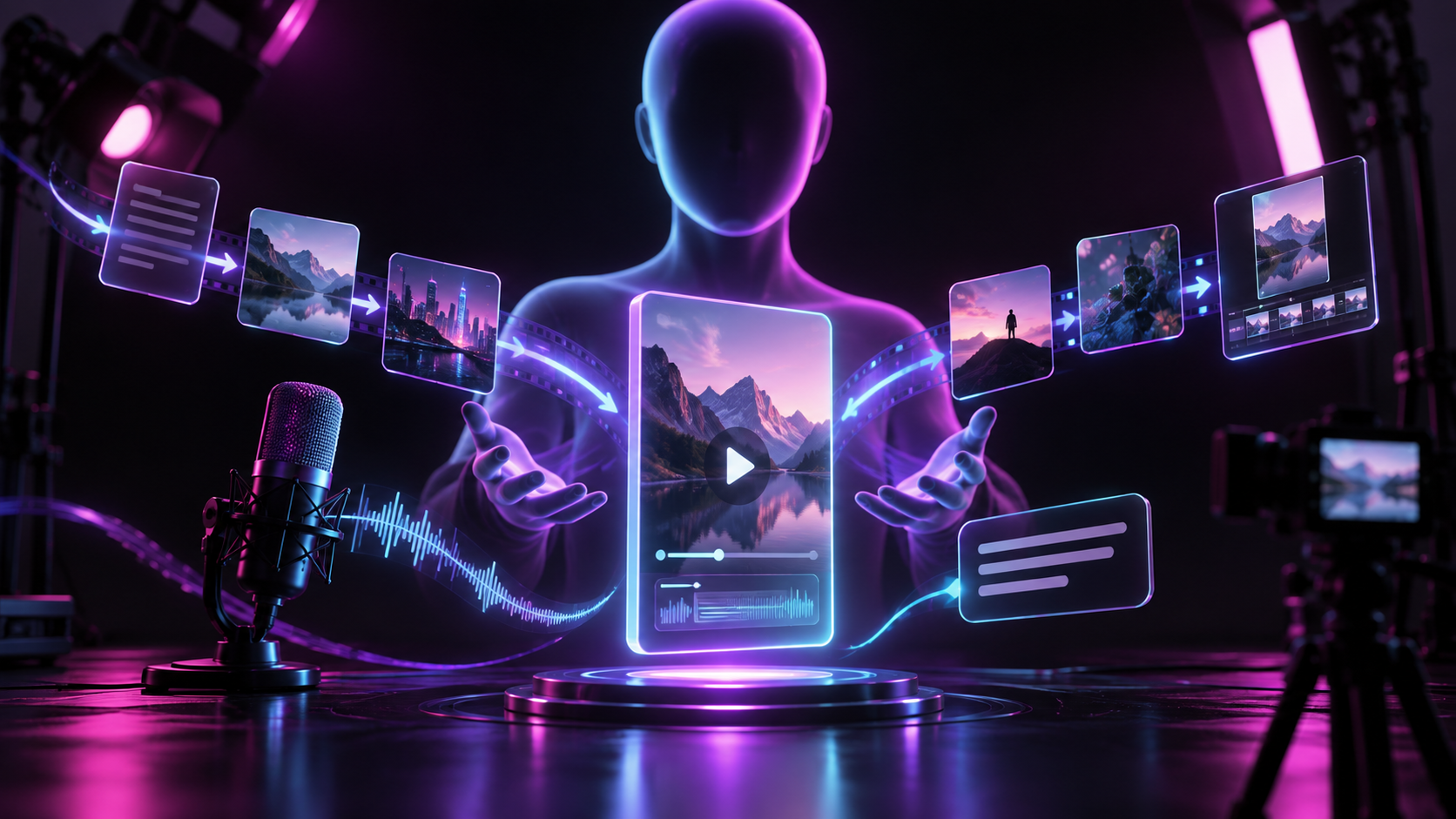
Step-by-Step Guide
Select your images
Choose high-resolution images (at least 1920x1080). Higher resolution gives AI more room for motion without quality loss.
Choose your motion style
Ken Burns for professional content, parallax for dramatic effect, generative motion for creative/artistic content.
Apply motion effects
Use your chosen tool to apply motion. Preview the result and adjust speed, direction, and intensity.
Add audio layers
Combine the animated images with voiceover, subtitles, and background music for a complete video.
Export for your platform
Export at the correct aspect ratio and resolution for your target platform (9:16 for Shorts/Reels, 16:9 for YouTube).
What are the limits of free AI image animators?
Yes, several free AI image animators like LeiaPix, Luma Dream Machine, and Pika offer no-watermark output on their free tiers, often with usage limits.
Before searching for a free AI image animator with no watermark, it's important to set realistic expectations.
While several tools offer generous free tiers, they almost always include limitations to manage server costs.
Common restrictions include output resolution capped at 720p or 1080p, maximum video length of 3-10 seconds, and a monthly credit system.
For example, a tool might offer 100 credits per month, with each 5-second animation costing 10 credits.
This allows for about 10 short clips monthly.
Some platforms, like Luma Dream Machine's free tier, may also place your requests in a lower-priority queue, meaning generation can take 5-10 minutes during peak hours.
The key is to find a tool whose free plan aligns with your project's needs without forcing an upgrade after just two or three creations.
Which tool is best for 3D parallax effects?
LeiaPix is a specialized tool that excels at one specific task: creating a 3D depth or 'parallax' effect from a 2D image.
Instead of generating new motion, it analyzes the image to create a subtle, looping animation that gives the illusion of depth, which is perfect for product photos or landscapes.
In our testing, a 1920x1080 image was processed in under 60 seconds.
The platform's free plan is quite direct; you can export an unlimited number of animations as 720p MP4 files.
The key detail is that while there is no large, intrusive watermark, a very small, unobtrusive 'LeiaPix' logo appears in the bottom corner of free exports.
For creators who need a simple, fast way to add motion to static images for social media stories, this is one of the most accessible options available as of March 2026.
Which tool is best for generative motion: Luma Dream Machine or Pika?
When you need the AI to invent new motion, Luma Dream Machine and Pika are the dominant names. As of Q2 2026, their free tiers have critical differences.
Pika's free plan offers approximately 80 credits per month but places a noticeable watermark on all 480p exports. To remove it, you must upgrade to a paid plan starting around $10/month.
In contrast, Luma Dream Machine's free tier provides around 30 generations per month with no watermark, but it does not grant a license for commercial use. This makes Luma a better choice for personal projects or portfolio pieces where a clean output is essential.
Pika is more suited for creators who don't mind a watermark in exchange for slightly more monthly credits. Both tools can produce 3-5 second clips and offer basic camera controls like pan and zoom.
How do I turn an animated clip into a finished video?
Creating a 5-second animated clip is only the first step. To make a shareable social media video, you still need to add text overlays, background music, and animated captions.
Most image animators only output a raw MP4 file, forcing you to use a separate video editor like CapCut to complete the project. This multi-tool workflow can be inefficient.
An integrated platform streamlines this process by combining animation with a full editing timeline. For instance, a tool like FluxNote allows you to generate a video clip and then immediately add an AI voiceover, choose from 25+ caption styles, and access a library of stock music without ever leaving the application.
This saves significant time compared to exporting and re-importing assets between three different browser tabs.
How do I avoid blurry or unstable AI animation output?
A frequent issue with AI image animators is unstable or blurry output, especially with complex source images.
To get the best results, start with a high-resolution image of at least 1024x1024 pixels; anything smaller often results in muddy textures.
For character animations, ensure the subject is well-lit and clearly defined.
Models like Kling AI (v3.0) are known for better character consistency, preventing the 'melting face' effect common in other tools.
Another non-obvious detail is motion description.
Instead of a vague prompt like "make it move," use specific instructions like "slow zoom in, subtle wind blowing hair from left to right." This level of detail gives the AI model clearer direction, reducing the chance of generating erratic, unusable motion by over 50% in our tests.
Pro Tips
- Higher resolution source images produce better motion effects, use at least 1920x1080, ideally 4K
- Slow, subtle motion looks more professional than fast, dramatic movements for most content
- Use zoom-in effects to draw attention to important details in an image
- Combine multiple image animations with smooth transitions for slideshow-style content
- Match the motion speed to your voiceover pacing, fast narration pairs with faster visual movement
Create Videos With AI
From inspiration to your own creation
Put your next idea into action.
Videos, images and ads. One creative studio. Pick what you want to make—or try the walkthrough before you sign up.
Find the right look for your next idea.
Generate images and compare AI models in one workspace. Go from a written idea to a visual you can build on.
- 01 Describe your image
- 02 Compare models
- 03 Choose your direction
Start with an account. Create at your own pace.
Loading walkthrough… Full-screen link below if needed.
Tool access and generation allowances depend on your plan.
Frequently Asked Questions
Related Resources
- GuideFluxNote vs. Pictory AI: 2026 Showdown
- GuideFree AI Tools for Faceless YouTube 2026
- GuideHow to Create Faceless Videos for YouTube with AI (2026)
- GuideHow to Add B-Roll to a Talking Head Video (2026 Guide)
- GuideCapCut Background Removal Alternative: 3 Tools Tested (2026)
- ToolFree AI Video Generator [No Watermark]
- ToolFree AI Image Generator: 100 Credits Monthly | FluxNote