Guide
Faceless VideoBooktokVideo EditingContent CreationHow to Make Faceless Book Review Videos in 2026 (4 Steps)
BookTube and BookTok have created a massive community of readers who discover their next read through video content. These 50 ideas cover review formats, reading challenges, and book recommendation styles that build loyal book-loving audiences in 2026.
By the FluxNote Editorial Team · Last updated: April 25, 2026
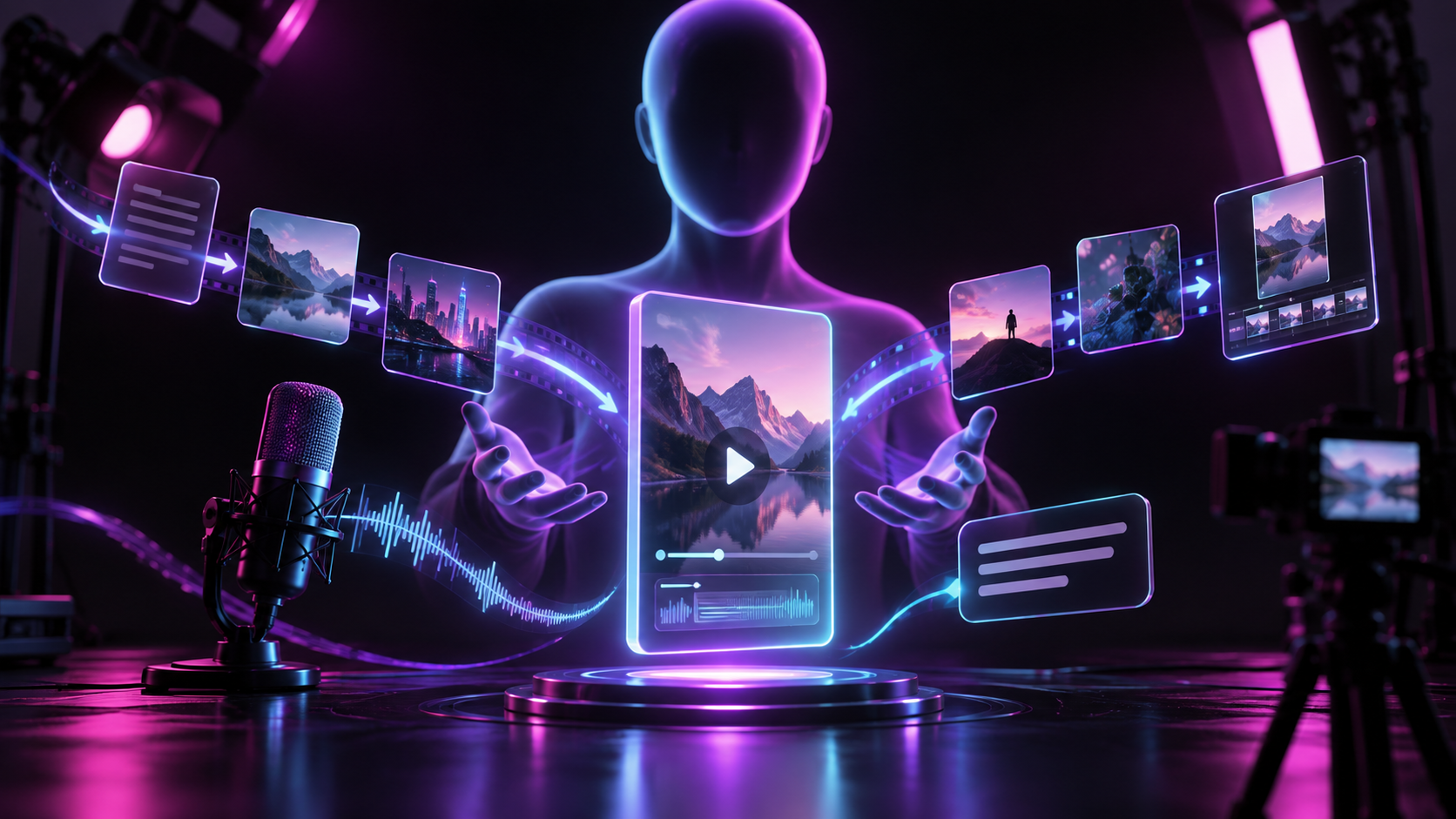
Step-by-Step Guide
Define your reading niche
Fiction, non-fiction, self-help, Indian authors, or genre-specific (mystery, romance). Your taste becomes your brand.
Create your first 15 review Shorts
Review books you've already read. Keep it honest, concise, and spoiler-free for Shorts format.
Build a recommendation library
Create list-based content, '5 books for X' videos are highly searchable and drive affiliate sales.
Post daily and start a book club
Alternate reviews, recommendations, and reading lifestyle content. Start a monthly book club for community building.
Monetize with affiliate links and publishers
Add Amazon/Audible affiliate links to every review. Reach out to publishers for review copies and paid partnerships.
Step 1: Generate a Script and AI Voiceover
The foundation of a compelling faceless video is a strong script and clear narration. First, write a 150-200 word script summarizing your review.
Your hook in the first three seconds is critical; start with a provocative question or a bold statement about the book. Once your script is ready, use an AI voice generator.
Tools like ElevenLabs offer a free tier that includes up to 10,000 characters per month, which is enough for about 8-10 short videos. When generating the audio, experiment with different voice styles.
For a thriller review, a voice with a lower pitch and slower pace might be effective. For a romance review, a warmer, more upbeat tone works better.
Download the final audio as an MP3 file, ready for the editing stage. This process avoids the need for expensive microphones or sound-treating a room, cutting the setup time to under 15 minutes.
Step 2: Source Aesthetic B-Roll and Visuals
Your visuals must compensate for the absence of a person on screen. For a 60-second TikTok or Reel, you'll need 8-12 different clips, each 3-5 seconds long.
Start by sourcing high-quality, aesthetic stock footage that matches the book's mood. Websites like Pexels and Pixabay offer millions of free clips.
Search for terms like 'cozy library,' 'rain on window,' 'turning book pages,' or 'writing in journal.' For a fantasy novel, you might search for 'misty forest' or 'castle drone shot.' Always download videos in the highest resolution available, preferably 1080p or 4K. Crucially, ensure all your clips are in a vertical 9:16 aspect ratio to fill the entire screen on mobile devices.
Creating a small library of 20-30 go-to clips in a folder can speed up your workflow for future videos significantly.
Step 3: Assemble, Add Captions, and Edit
With your voiceover and video clips ready, it's time to edit. You can use a mobile editor like CapCut or a desktop tool.
Import your MP3 voiceover first to create the timeline's structure. Then, lay your B-roll clips over the audio track, trimming them to match the pacing of the narration.
The most important element to add is animated captions. Since there's no speaker, the text on screen is the focal point.
Use a feature like CapCut's 'Auto Captions' to generate the text, then customize the font and add an animation effect like 'Pop-up' or 'Typewriter' to make it more dynamic. A common mistake is using fonts that are hard to read; stick to clear, bold sans-serif fonts.
Finally, add a non-intrusive background music track from the YouTube Audio Library, setting its volume to 5-10% so it doesn't compete with the voiceover.
Step 4: Use an Integrated Platform to Accelerate Workflow
Combining the previous three steps manually can take over an hour per video.
An alternative is to use an integrated AI video platform.
For example, a tool like FluxNote can reduce the entire process to under 10 minutes.
You provide the script, and the software generates the AI voiceover, analyzes the text to find matching clips from a built-in stock footage library (like Pexels), and automatically adds synchronized, animated captions.
This approach is particularly efficient for creators who want to produce content daily for platforms like BookTok, where consistency is key to growth.
The main benefit is the consolidation of tools; instead of using three separate services for voice, footage, and editing, you can manage the entire creation process in one place.
Step 5: Optimize and Post for Maximum Reach
Creating the video is only half the battle. To ensure it gets seen, you need to optimize it for the platform's algorithm.
For TikTok and Instagram Reels, the first 2 seconds are everything. Your opening visual and first line of captions must be intriguing enough to stop someone from scrolling.
Use a trending sound, even at 1% volume behind your voiceover, as this can help the algorithm categorize and distribute your content. Research and use a mix of 3-5 relevant hashtags.
Include broad tags like #booktok, niche tags like #fantasybooks, and a specific tag for the book itself, like #fourthwing. According to a 2025 Buffer analysis, videos posted between 6 PM and 9 PM local time tend to get higher initial engagement.
Schedule your posts for these peak hours to give them the best chance of success.
Pro Tips
- Hold the book up to camera and show the cover, visual presentation matters for book content
- No-spoiler reviews perform better than detailed analyses on short-form platforms
- Post reading content during commute hours (8-9 AM, 6-7 PM) when people consider what to read next
- Create a consistent rating system (e.g., 1-5 stars) so followers can quickly gauge your opinions
- Emotional reactions to plot twists get the most engagement, film your genuine reactions while reading
Create Videos With AI
From inspiration to your own creation
Put your next idea into action.
Videos, images and ads. One creative studio. Pick what you want to make—or try the walkthrough before you sign up.
Your ideas. Your videos. No camera required.
Turn your next story into a faceless video. Explore the workflow, then create your own in FluxNote.
- 01 Choose a style
- 02 Add your idea
- 03 Make it your own
Start with an account. Create at your own pace.
Loading walkthrough… Full-screen link below if needed.
Tool access and generation allowances depend on your plan.
Frequently Asked Questions
Related Resources
- GuideHow to Make Faceless ASMR Videos (4-Step Guide for 2026)
- GuideHow to Make Faceless Car Review Videos (2026 Step-by-Step)
- ToolText to Video AI: Turn Text Into Videos [Fast]
- ToolAI Faceless Video Generator Guide | FluxNote
- GuideMake Book Review Videos Without Showing Your Face
- GuideBest AI Image Generator for Book Covers
- use-caseAI Video for Book Review Youtube Channel