Guide
Faceless YoutubeCooking VideosAI Video CreationYoutube AutomationHow to Make Cooking Videos Without Showing Your Face (2026)
Targeting foodies and cooking enthusiasts with faceless YouTube content offers unique monetization opportunities. This demographic has specific content needs and viewing habits that smart creators can capitalize on.
By the FluxNote Editorial Team · Last updated: April 25, 2026
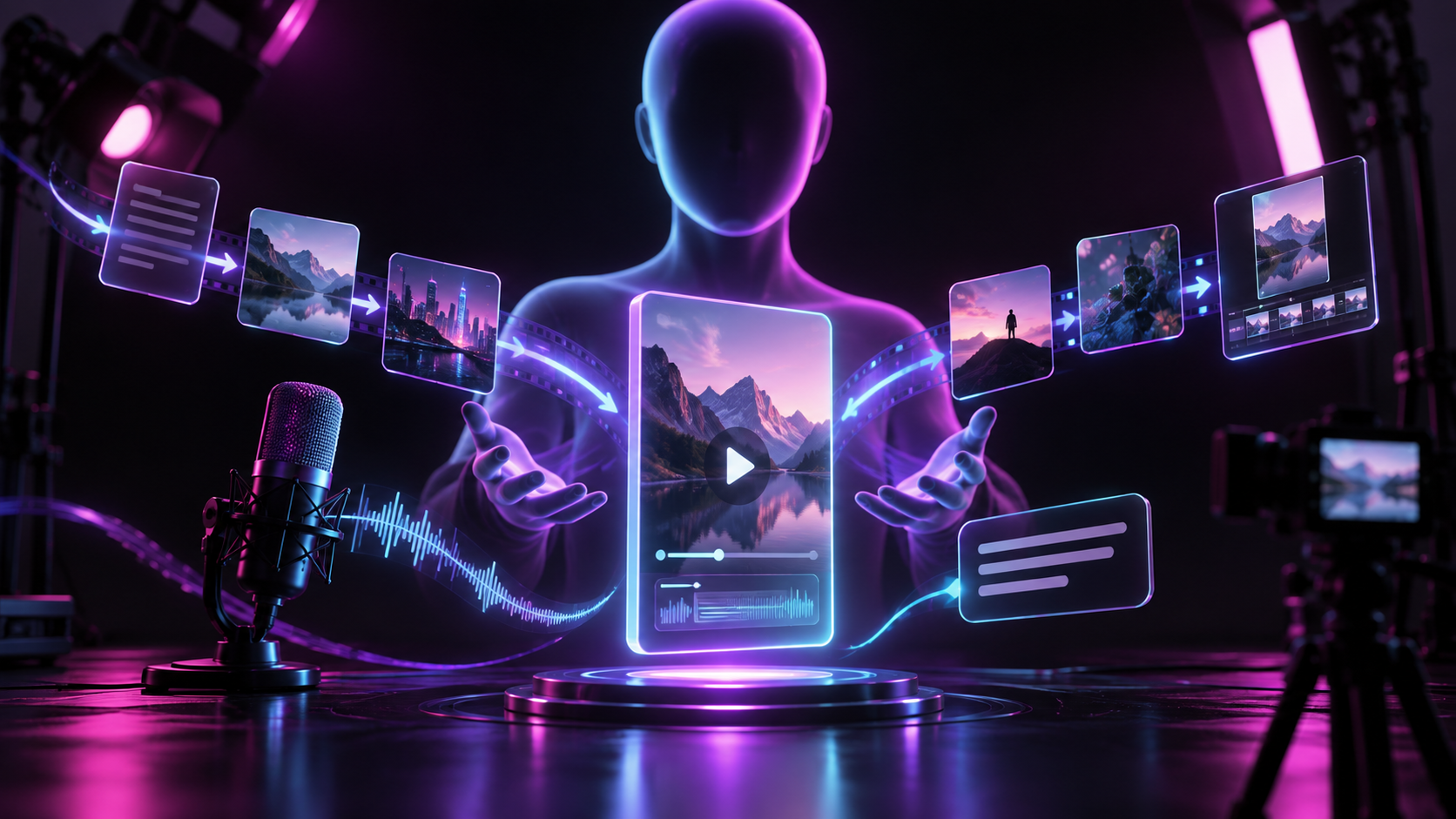
Essential Tools for Faceless Cooking Content
To make cooking videos without showing your face, you need a specific software toolkit. The core components are a video editor, a source for stock footage, and an audio solution.
You don't need a camera, which significantly lowers the startup cost. For audio, an AI voice generator like ElevenLabs (plans start at $5/mo for 30,000 characters) provides clear narration.
For music, a subscription to Epidemic Sound (around $15/mo) offers a large library of royalty-free tracks. The biggest component is video.
While free sites like Pexels exist, their food selection can be limited. A paid subscription to a service like Artgrid, which costs about $25/mo for the junior plan, provides access to a much larger and higher-quality library of food and cooking clips.
Finally, a video editor is needed to combine these elements. An AI-assisted editor can speed this process up considerably, automating the syncing of voice, video, and captions.
The total monthly software cost to get started is between $40 and $50, far less than the cost of a single DSLR camera.
Structuring Your Faceless Recipe Video Script
A successful faceless cooking video relies on a tight, well-paced script. Viewers on platforms like YouTube Shorts and TikTok have short attention spans, so the first 3 seconds are critical. Your script should follow a simple, four-part structure:
- 1The Hook (0-3 seconds): Start with the finished dish. Show the most appealing shot and state what it is, for example, "Here's how to make the creamiest tomato soup in 10 minutes."
- 2Ingredients (4-8 seconds): Quickly list the ingredients. Use on-screen text overlays synchronized with short video clips of each item. Don't linger; the goal is to move quickly.
- 3The Process (9-45 seconds): This is the main part. Break the recipe into 3-5 clear, concise steps. Each step should be a separate scene with corresponding B-roll footage. For example: "First, sauté your onions and garlic." followed by a clip of onions sizzling.
- 4The Final Reveal & CTA (46-60 seconds): End with another beautiful shot of the finished dish. Add a simple call-to-action like, "Get the full recipe in the description."
This structure ensures the video is fast-paced, easy to follow, and optimized for short-form platforms. The script dictates the video, not the other way around.
Sourcing High-Quality B-Roll and Visuals
The visual quality of your faceless video depends entirely on your B-roll. Since you aren't filming, you must source clips that look professional and cohesive.
There are two primary routes: free stock sites and paid subscription services. Free options like Pexels and Pixabay are good for starting, but they have drawbacks.
The selection of specific food preparation shots (e.g., 'dicing a red onion') can be limited, and many other creators use the same popular clips, making your content look generic. For a more professional result, a paid service is a better investment.
Artgrid's 'Creator' plan ($25/mo, billed annually as of early 2026) offers access to 4K footage from cinematic creators. Storyblocks is another option, with plans around $30/mo that include video, audio, and images.
When selecting footage, create a consistent look. Stick to clips with similar lighting (e.g., bright and airy) and color grading.
Download 5-10 clips for a single 60-second video to ensure you have enough variety for each step of the recipe.
Assembling Your Video with an AI Generator
Once you have your script and B-roll, an AI video generator can assemble the final product in minutes, a task that could take hours in traditional editors like Adobe Premiere Pro.
The process involves feeding your script into the tool, which then uses AI to select and sequence relevant stock footage from its library.
For example, if your script says, "Dice the onions," the AI finds a clip of onions being diced.
These tools also integrate AI voice generation and automatic captioning.
You can select a voice, and the tool will generate a professional-sounding voiceover synced to the video scenes.
This workflow drastically reduces production time.
A 60-second cooking video that might take 2-3 hours to edit manually can be generated in under 15 minutes.
Some platforms, like FluxNote, connect these features into a single workflow, allowing you to go from a text recipe to a finished video with voiceover and captions without using separate tools for each step.
Optimizing Audio: AI Voiceovers and Sound Design
Audio is just as important as visuals in a cooking video. For faceless content, you have two main strategies: music-only or AI voiceover with background music.
Music-only videos can work for very simple, visually-driven recipes (often seen in ASMR cooking channels), but they lack the ability to provide detailed instructions. An AI voiceover is more effective for teaching a recipe.
Tools like ElevenLabs or Play.ht offer hyper-realistic voices with adjustable pacing and tone. The 'Creator' plan on ElevenLabs costs $22/mo and provides access to professional voice cloning and high-quality audio outputs.
When you add a voiceover, pair it with subtle background music from a service like Epidemic Sound. The music should be instrumental and set to a low volume (around 10-15% of the main voiceover volume) so it doesn't compete with the narration.
Adding sound effects, like a sizzling pan or a knife chopping, can also make the video more immersive. Many stock footage libraries, including Storyblocks, include sound effects in their subscriptions.
Create Videos With AI
From inspiration to your own creation
Put your next idea into action.
Videos, images and ads. One creative studio. Pick what you want to make—or try the walkthrough before you sign up.
Your ideas. Your videos. No camera required.
Turn your next story into a faceless video. Explore the workflow, then create your own in FluxNote.
- 01 Choose a style
- 02 Add your idea
- 03 Make it your own
Start with an account. Create at your own pace.
Loading walkthrough… Full-screen link below if needed.
Tool access and generation allowances depend on your plan.
Frequently Asked Questions
Related Resources
- GuideHow to Make AI History Videos for YouTube (Step-by-Step)
- GuideHow to Make Faceless Cash Cow Videos with AI (2026 Guide)
- ToolText to Video AI: Turn Text Into Videos [Fast]
- ToolAI Faceless Video Generator Guide | FluxNote
- GuideHow to Make UGC Videos Without Showing Your Face
- GuideHow to Make Cooking Videos Without Showing Your Face (2026)
- use-caseAI Video for Cooking Recipe Video Creation