Guide
Youtube automationFaceless youtube channelNature videosStock footageHow to Make Nature Videos for YouTube Without Filming (2026)
Nature & Science Facts channels on YouTube earn $3 $8 CPM. Here's the specific reason why this niche is still wide open, what content engine actually works, and how to build it as a faceless creator.
By the FluxNote Editorial Team · Last updated: April 25, 2026
The Core Workflow for No-Film Nature Videos
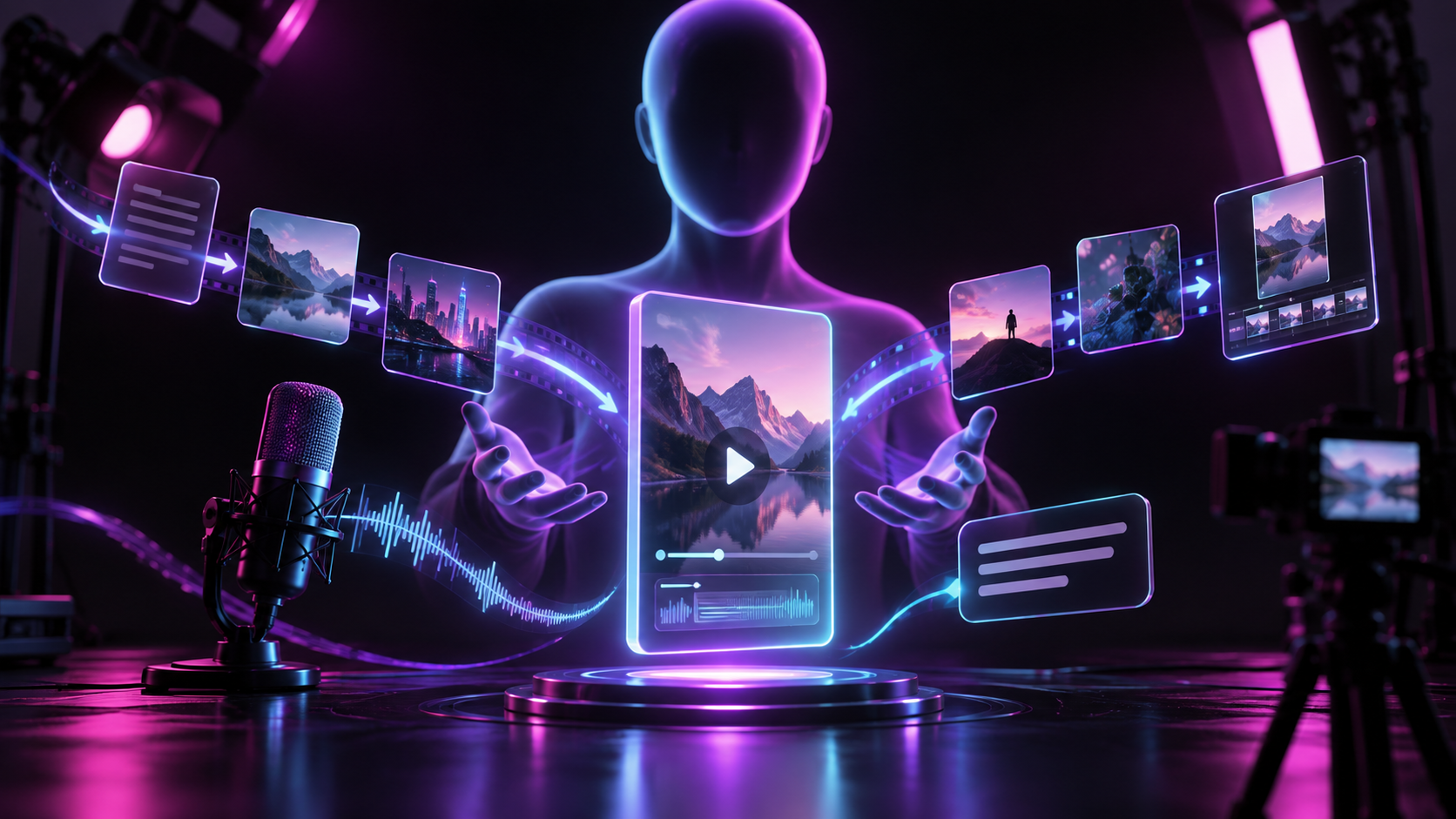
To make nature videos for YouTube without filming, combine high-quality stock footage with an AI-generated voiceover and background music.
The process involves scripting, sourcing clips from sites like Pexels or Envato Elements, generating narration with a tool like ElevenLabs, and assembling the final video.
This method can produce a polished 10-minute video in under 90 minutes, a significant reduction from the 5-8 hours required for a traditional shoot and edit.
The key is an efficient production line: script, then voice, then visuals, then final assembly.
According to Social Blade data from Q1 2026, nature documentary channels often see CPMs between $4 and $9, making this a viable monetization strategy.
This approach removes the largest barrier to entry for this niche: the need for expensive camera equipment and travel to remote locations.
It focuses effort on storytelling and editing, which are critical for audience retention.
Sourcing High-Quality Visuals (4K Stock Footage)
The visual quality of your channel depends entirely on your source for stock footage. Do not use low-resolution or watermarked clips, as this signals low quality to both viewers and the YouTube algorithm.
Aim for 4K resolution (3840 x 2160 pixels) to ensure your videos look crisp on all devices. Free options are a good starting point, but paid subscriptions offer better selection and clearer licensing for monetization.
A key detail is the license: a Creative Commons (CC0) license from a site like Pexels allows full commercial use, while a standard license from a paid site like Envato Elements also covers monetization. Be mindful of clip pacing; mix wide shots with close-ups and use slow-motion (60fps footage slowed to 24fps) to add a cinematic feel.
Here is a comparison of popular stock footage sources as of March 2026:
| Source | Cost (USD/month) | License Type | Key Benefit |
|---|---|---|---|
| Pexels | $0 | CC0 | Large library of quality free clips |
| Pixabay | $0 | Pixabay License | Good for photos and vector graphics |
| Envato Elements | $16.50 | Commercial | Unlimited downloads of video, music, SFX |
| Artlist Max | $29.99 | Commercial | High-end cinematic footage and music |
Generating Realistic Narration with AI Voice Tools
A calm, clear voiceover is essential for nature documentaries. Modern AI voice generators can produce narration that is nearly indistinguishable from human speech.
The leading tools for this are ElevenLabs, Play.ht, and Murf.ai. For a typical 10-minute script (around 1,500 words), you will need a tool that can generate long-form audio without artifacts.
The ElevenLabs Starter plan, for example, costs $5 per month and includes 30,000 characters (enough for about three 10-minute videos) and the ability to clone your own voice for a unique sound (as of their January 2026 pricing). A non-obvious technique to improve AI narration is using Speech Synthesis Markup Language (SSML).
This simple code allows you to insert specific pauses (`
Assembling Your Video with an AI Video Editor
The final step is combining your script, voiceover, and footage into a single video file.
While you can do this manually in software like DaVinci Resolve, AI-powered video editors drastically speed up the process.
These platforms are designed for the stock-footage workflow.
You can upload your voiceover, and the editor will analyze the script to suggest relevant video clips from its built-in library.
This avoids the time-consuming task of manually searching for, downloading, and importing dozens of clips.
For example, an editor like FluxNote can take a script and automatically find relevant stock clips, generate a voiceover, and add captions in one workflow, reducing assembly time from hours to about 15-20 minutes for a 5-minute video.
This efficiency is critical for channels aiming to publish 3-4 videos per week to grow their subscriber base quickly.
These tools also handle caption generation, which is important as over 80% of social media videos are watched with the sound off.
Monetization Pathways Beyond AdSense
Relying solely on YouTube AdSense can be slow, as you need 1,000 subscribers and 4,000 hours of watch time. Diversify your income early.
The most direct path is affiliate marketing. Create videos about specific ecosystems and link to relevant products using an Amazon Associates account, which pays an average 4% commission on outdoor gear (Amazon Associates Program, 2026).
For example, a video about 'Amazing Creatures of the Amazon Rainforest' could link to binoculars, guidebooks, or camera equipment. Another option is selling digital products.
Create and sell 'Relaxing Nature Soundscape' MP3 packs or 4K video loop packages that viewers can buy for their own use. You can host these on platforms like Gumroad or Sellfy, which take a small percentage of each sale (Gumroad's fee is 10% per sale, as of 2026).
This creates an income stream that you own and control, independent of YouTube's ad revenue fluctuations.
Pro Tips
- CPM range for this niche: $3 $8, but engagement drives algorithm distribution more than CPM in early growth. Optimize for watch time before optimizing for revenue
- The thing that kills channels in this niche: Mixing scientific consensus with fringe theories without clear labeling, evolution, climate, vaccin
- Post 3 videos per week minimum for the first 90 days, the algorithm needs data to understand who your audience is before it distributes your content
Create Videos With AI
From inspiration to your own creation
Put your next idea into action.
Videos, images and ads. One creative studio. Pick what you want to make—or try the walkthrough before you sign up.
Your ideas. Your videos. No camera required.
Turn your next story into a faceless video. Explore the workflow, then create your own in FluxNote.
- 01 Choose a style
- 02 Add your idea
- 03 Make it your own
Start with an account. Create at your own pace.
Loading walkthrough… Full-screen link below if needed.
Tool access and generation allowances depend on your plan.
Frequently Asked Questions
Related Resources
- GuideHow to Make Movie Recap Videos With AI (Under 60 Mins)
- GuideHow to Make Rain Videos for YouTube (Step-by-Step 2026)
- GuideBest Text to Speech for Faceless YouTube Videos (2026)
- GuideBest Faceless YouTube Niches USA 2026: $15-$50 RPM
- GuideHow to Create Faceless Videos for YouTube with AI (2026)
- GuideHow to Create Nature Videos for YouTube Without Filming
- GuideHow to Make UGC Videos Without Showing Your Face