Guide
AI VoiceFaceless VideosText To SpeechVideo CreationHow to Make Faceless Videos with AI Voice (4 Core Steps)
Mastering analytics dashboard is critical for faceless YouTube channel growth. This guide covers proven strategies, tools, and implementation steps.
By the FluxNote Editorial Team · Last updated: April 25, 2026
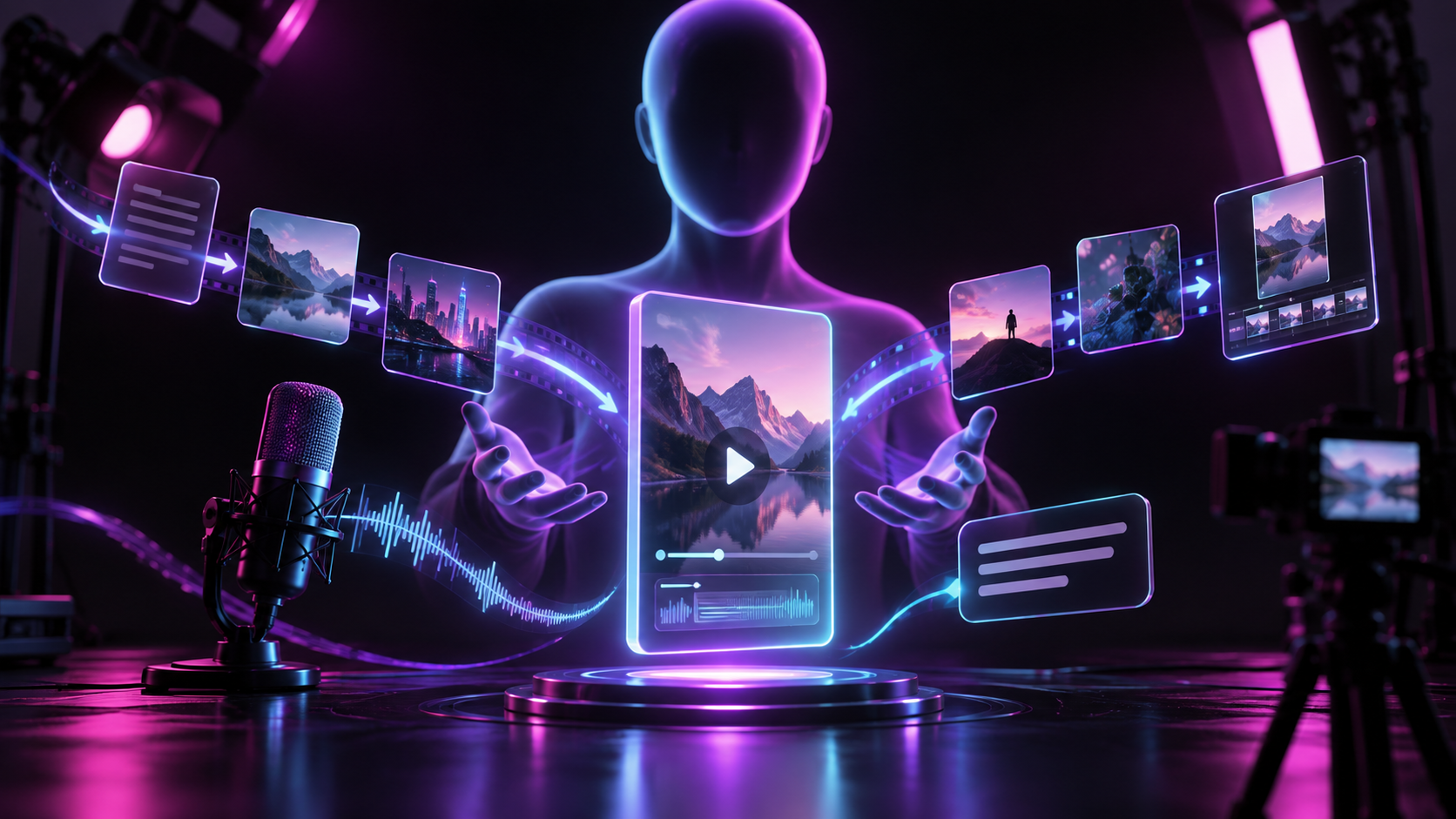
Step 1: Write a Script Optimized for AI Narration
The first step to make faceless videos with AI voice is writing a script that an AI can perform well. Unlike writing for a human, AI text-to-speech (TTS) models need clear instructions.
Write conversationally, using shorter sentences and simple language. For complex terms or brand names, it's a good practice to write them phonetically in a separate document to test pronunciation.
For example, if a name like "Siobhan" is mispronounced, you might test spelling it as "Shiv-awn" for the AI. In our tests, scripts written in Google Docs and then pasted into AI tools paragraph-by-paragraph yield better pacing than uploading a single large file.
This process avoids the AI rushing through the content. A well-structured script, broken into 3-4 sentence paragraphs, is the foundation for a video that holds viewer attention on platforms like TikTok and YouTube Shorts.
Step 2: Generate the Voiceover with a TTS Tool
With your script ready, select an AI voice generator. The quality of these tools varies significantly.
For top-tier, human-like voices, ElevenLabs is a frequent choice, with starter plans around $5 per month that provide enough credits for dozens of short videos. For creators needing voice cloning, Play.ht offers advanced features, though its plans start higher at approximately $31.20 per month.
A key detail often overlooked is the audio format. Always download the voiceover as a high-quality MP3 (at least 192kbps) or WAV file.
Lower quality audio is immediately noticeable on good speakers or headphones and can make your content seem unprofessional. Many tools, like Murf.ai, offer over 120 voices, so test several with a key sentence from your script before committing to one for brand consistency.
As of early 2026, the realism of premium AI voices can be indistinguishable from human narration for many listeners.
Step 3: Source and Sequence Visuals
Your AI voice needs corresponding visuals. For faceless videos, this means sourcing high-quality stock footage, images, or screen recordings.
Free resources like Pexels and Pixabay offer millions of clips under a permissive license. For higher production value and more selection, paid platforms like Storyblocks (subscriptions from $30/mo) or Artgrid are common.
The critical step here is matching the visual pacing to the narration. Each sentence in your script should align with a new clip or a change on screen.
A non-obvious tip: ensure your clips are at least 1080p resolution. Using 720p clips will result in a blurry final video, especially on larger screens, which harms viewer retention.
When creating content for Shorts or TikTok, all visuals must be in a 9:16 vertical aspect ratio. Cropping horizontal (16:9) footage can often ruin the shot's composition, so search for vertical-first content.
Step 4: Assemble Voice, Visuals, and Captions
The final production step is combining your audio and visual assets. An AI video editor simplifies this process.
Tools in this category are designed to sync assets efficiently. For instance, a platform like FluxNote allows you to upload your AI-generated audio track and then uses its text-to-video features to find and sequence relevant stock footage clips that match the narration, saving hours of manual searching and timeline editing.
Once the voice and visuals are synced, add animated captions. Over 85% of social media video is watched on mute, making captions essential for engagement.
Most modern video editors offer an auto-captioning feature. Check the generated transcript for errors, as AI can still misinterpret certain words.
A final export at a bitrate of at least 10 Mbps for 1080p video ensures the quality is high enough for social platforms.
Step 5: Add Sound Design and Final Polish
The last step that separates good content from great content is sound design. This is more than just the AI voiceover.
Adding a subtle background music track can dramatically change the video's mood. Use a royalty-free music service like Epidemic Sound (plans from $10/mo) or Artlist to avoid copyright strikes on YouTube.
The key is to set the music volume low, typically between -15dB and -25dB relative to the voiceover, so it doesn't compete with the narration. Additionally, adding 2-3 simple sound effects (like a 'whoosh' for a transition or a 'click' for a call-to-action) can make the video feel more dynamic.
This entire audio mix can be done in any standard video editor. This final polish takes less than 10 minutes but significantly increases the perceived production value of your faceless videos.
Create Videos With AI
From inspiration to your own creation
Put your next idea into action.
Videos, images and ads. One creative studio. Pick what you want to make—or try the walkthrough before you sign up.
Your ideas. Your videos. No camera required.
Turn your next story into a faceless video. Explore the workflow, then create your own in FluxNote.
- 01 Choose a style
- 02 Add your idea
- 03 Make it your own
Start with an account. Create at your own pace.
Loading walkthrough… Full-screen link below if needed.
Tool access and generation allowances depend on your plan.
Frequently Asked Questions
Related Resources
- GuideHow to Make Faceless Cash Cow Videos with AI (2026 Guide)
- GuideHow to Make Faceless YouTube Videos with AI Voice (2026)
- ToolText to Video AI: Turn Text Into Videos [Fast]
- ToolAI Faceless Video Generator Guide | FluxNote
- GuideCan You Monetize YouTube Videos With an AI Voice? (2026)
- use-caseAI UGC for Voice Coaches: Get More Clients Without Hiring Actors 2026